
First Nations Smokes: Honouring Tradition With Every Sacred Puff
First Nations smokes are traditional tobacco blends crafted by Indigenous communities, using natural herbs and a ceremonial respect for the plant that shifts smoking from a rushed habit into a grounded ritual. The value here is a cleaner, more intentional burn—free of the harsh additives found in commercial cigarettes—while supporting cultural preservation with every puff. To use them, you simply roll the loose, aromatic mix into a paper or pipe, light it slowly, and let the earthy flavor remind you of the land it came from. That deep connection to tradition is what sets First Nations smokes apart from anything you’ll grab at a corner store.
What Exactly Are First Nations Smokes and How Are They Different?
First Nations smokes are commercially manufactured cigarettes produced on Indigenous sovereign territory, typically by band-owned enterprises. They are distinct because they are not subject to federal excise taxes applied to mainstream brands, resulting in significantly lower shelf prices. The tobacco itself is often a blend that may include traditional or additive-free leaf, though modern production mirrors conventional cigarette manufacturing. Their key difference lies in legal jurisdiction: they are sold for personal use by Indigenous persons, and purchase by non-Indigenous individuals is restricted under band policy and provincial law. This makes them a regulated specialty product, not a generic discount alternative. Q: Are they stronger than regular cigarettes? A: Not inherently—strength depends on the specific blend, but their lower cost and occasional lack of filter ventilation can alter the smoking experience.
Understanding the Unique Characteristics of Indigenous-Made Tobacco Products
Understanding the unique characteristics of Indigenous-made tobacco products begins with recognizing their distinct production methods, which often involve sun-curing and natural blending without the heavy chemical additives found in commercial cigarettes. These products typically feature a stronger, earthier smoke due to the absence of sweeteners and humidifying agents, and they are frequently sold in loose-leaf form rather than pre-rolled. Recognizing the absence of chemical additives is crucial for gauging flavor intensity and nicotine delivery, as the raw leaf burns hotter and faster. A short additive-free profile means the taste is unmodified, so expect a harsher throat hit and a more rapid burn rate compared to mass-market brands.
- Moisture content varies widely; drier leaves require slower inhalation to avoid harshness.
- Cut texture ranges from fine ribbon to coarse chunks, altering burn consistency.
- Natural tobacco retains a smoky, hay-like aroma that signals unprocessed leaf purity.
Key Differences in Blend, Cut, and Additives Compared to Commercial Cigarettes
First Nations smokes typically use a looser, coarser cut than commercial cigarettes, which are finely shredded for dense packing. The blend is often pure, unblended tobacco leaf—sometimes air-cured or sun-dried—lacking the homogenized sheet tobacco and expanded stems found in mass-market products. Additives are minimal or absent; commercial cigarettes rely on humectants (like propylene glycol), sugars, and flavorings to control burn rate and mask harshness. In contrast, First Nations tobacco burns hotter and faster due to its natural moisture content and lack of chemical burn regulators. The result is a sharper, earthier taste with a more pronounced nicotine hit, compared to the smoother, engineered draw of commercial blends.
What Benefits Do You Get From Choosing Native-Made Tobacco?
Choosing native-made tobacco delivers authentic, additive-free smoking benefits that commercial brands simply cannot match. You get a cleaner burn from naturally cured leaves, meaning fewer chemical aftertastes and a more traditional, robust flavour profile. Because First Nations producers often rely on time-honoured growing and processing methods, you receive a product with consistent moisture and texture, which translates into a smoother, more satisfying session. Furthermore, buying native-made smokes supports Indigenous economic self-determination, so your purchase directly sustains community livelihoods. You also gain access to a distinctive, earthier aroma and a richer sensory experience—qualities lost in mass-produced cigarettes. Ultimately, opting for First Nations tobacco gives you a purer, more meaningful smoking choice while ensuring every puff carries cultural significance and practical value you can trust.
Cost Savings and Value for Regular Smokers
For regular smokers, the primary financial advantage of Native-made tobacco lies in its significantly lower price point per carton, driven by reduced tax burdens. This translates directly to substantial monthly savings, which can be redirected to other essentials. Consequently, value is not merely about sticker price but about acquiring a comparable quantity of product for a fraction of the cost. Bulk purchasing options further amplify cost savings for regular smokers, as many vendors offer tiered discounts that reduce the per-pack expense even more. The long-term economic benefit becomes more pronounced with daily consumption, where the cumulative difference versus commercial brands is most tangible. This predictable pricing structure allows for more accurate budgeting of a recurring expense. The value proposition is therefore anchored in consistent affordability rather than promotional gimmicks.
- Lower base cost per pack or carton versus mainstream retail.
- Reduced overhead translates to stable, predictable pricing.
- Volume-based discounts are commonly available for high-frequency buyers.
- Savings accumulate significantly over a weekly or monthly cycle.
Flavor Profiles and Smoothness: What to Expect When You Switch
When switching to native-made tobacco, the first noticeable shift is a **cleaner, less chemical-laden flavor profile** that lets the natural leaf’s earthiness and subtle sweetness come through. Because these blends often skip artificial casing and heavy re-humectants, the smoke feels drier on the palate, with minimal harsh throat hit. Expect a slower, cooler burn that reduces tongue bite and leaves less residual bitterness. Smoothness improves markedly within the first carton, as your palate adjusts to the absence of synthetic additives. You may find the draw is slightly more open, requiring a gentler inhale to appreciate the full-bodied but silky texture.
- Natural tobacco tastes more vegetal and slightly nutty, not candy-coated or smoky-sweet.
- The exhale is smoother, with a soft, rounded finish instead of a sharp, acidic tail.
- Room note is less clingy, fading quicker without the sticky after-odor of commercial blends.
How to Select the Right Variety for Your Preferences
Selecting the right variety of First Nations smokes begins with identifying your preferred nicotine strength, as traditional blends range from mild to robust. Assess your usual smoking habits—whether you favor a lighter draw or a deeper, fuller throat hit—to match the tobacco cut and moisture level. For natural sweetness, opt for varieties infused with traditional botanicals like wild cherry bark or sweetgrass, while those seeking an unadulterated profile should choose pure leaf options. Consider the aroma intensity you tolerate indoors versus outdoors, and test small quantities before committing. Pay attention to the curing method, as sun-cured leaves produce a sharper taste than air-cured ones. Finally, sample across different regional producers, since soil and harvesting practices subtly alter flavor profiles, allowing you to align your choice with your sensory preferences.
Comparing Full-Flavor, Light, and Menthol Options Within Indigenous Lines
When comparing full-flavor, light, and menthol options within Indigenous lines, focus on the blend’s base rather than the label. Full-flavor varieties in these lines typically use air-cured tobacco with a heavier, earthier draw, while light versions achieve mildness through filter porosity and leaf selection—not by reducing nicotine content proportionally. Menthol iterations, however, often mask the natural sweetness of the native leaf, so decide whether you want that cooling overlay or the unadulterated profile. For a throat hit that mirrors traditional smoking, select full-flavor; for a smoother session without sacrificing body, choose light; and for sinus relief or a crisp finish, opt for menthol. Direct comparative sampling of Indigenous line variants is the only reliable method, as batch-to-batch leaf curing alters strength more than the label implies.
- Full-flavor: expect a dense smoke with pronounced earthiness.
- Light: softer draw, but residual tar can still be substantial.
- Menthol: cooling effect that can either highlight or hide the leaf’s natural oils.
Understanding Pack Sizes, Carton Quantities, and Pouch Alternatives
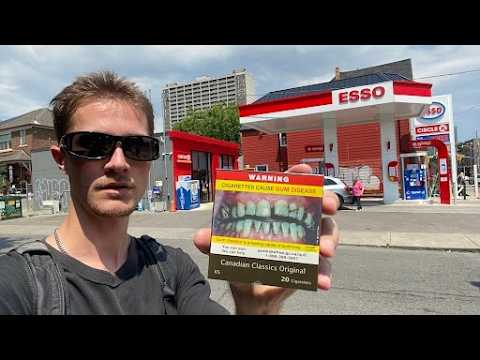
When selecting your preferred First Nations smoke, understanding pack sizes and carton quantities directly impacts both cost efficiency and consumption control. Standard packs typically hold 20 cigarettes, while cartons contain 200 (ten packs), offering a predictable bulk purchase that reduces per-unit cost. However, carton buying only suits those with consistent daily usage; occasional smokers risk stale product or overconsumption. Pouch alternatives—usually 50g or 100g of loose tobacco—provide greater flexibility, allowing you to roll custom quantities and match your personal draw strength. Yet, pouches require rolling skill and a separate supply of papers and filters, shifting convenience burdens. For practical selection, calculate your weekly intake: if it exceeds one pack daily, a carton is logical; if irregular, a pouch lets you adjust volume without waste. This tri-part framework—pack, carton, pouch—lets you align purchase size with actual smoking rhythm.
Pack sizes dictate immediate volume, cartons Buy native cigarettes online Canada lock in bulk savings for regular users, and pouches offer adjustable quantity control—choose based on your consumption consistency and rolling preference.

Step-by-Step Guide to Buying These Products Properly

Start by identifying a trusted local vendor, preferably one recommended within your community, where the provenance of First Nations smokes is openly discussed. Ask to see the product before purchase, checking the packaging for a recognizable band or cooperative stamp that confirms its source. Then, verify the price point against a few other sellers—this ensures you’re not overpaying for a standard offering. When you’re ready, buy in modest quantities first, testing the tobacco’s moisture and draw to gauge if it matches your preference. Finally, keep your receipt or note the vendor’s name for future reorders, building a reliable relationship.
Always handle the transaction with respect, acknowledging the cultural significance behind each purchase.
This way, you avoid counterfeits and support the right producers directly.
How to Verify Authenticity and Avoid Counterfeit Goods
When buying First Nations smokes, check the packaging for a **distinctive tax stamp or banderole** unique to the community or nation—counterfeits often miss or blur these marks. Look for consistent print quality, correct spelling, and a snug seal; fakes tend to have crooked edges or flimsy plastic. Ask the seller for a batch number or a receipt showing the licensed producer’s name—legit vendors won’t hesitate to share this. Compare the tobacco’s smell and moisture; genuine stock feels slightly damp and earthy, while counterfeits smell harsh or overly chemical. If the price seems absurdly low, treat it as a red flag, not a deal. Stick to trusted shops or community-run outlets.
Always match the stamp, inspect the seal, and confirm the source—when in doubt, walk away.
Proper Storage Methods to Keep Your Smokes Fresh Longer
To keep your First Nations smokes fresh, store them in an airtight container, such as a mason jar, to block oxygen and moisture. Keep this container in a cool, dark place, away from direct sunlight and heat sources, which accelerate drying and degrade the tobacco. For long-term storage, a humidity pack at 62% RH is ideal; this maintains the perfect moisture balance. Avoid refrigerators, as condensation damages the leaves. Always seal the container immediately after each use. This proper moisture control method preserves the natural oils and flavour profile.
Q: How long can First Nations smokes stay fresh using proper storage?
A: With airtight, dark, and humidity-regulated storage, they can remain fresh for several months without losing quality.

Practical Tips for Getting the Best Smoking Experience
To get the best smoking experience with First Nations smokes, start by storing them properly—keep the pack sealed in a cool, dry place to prevent dryness and harshness. Before lighting, gently massage the cigarette to loosen the tobacco for a smoother draw. When you smoke, take slow, steady puffs rather than quick drags to fully appreciate the natural, unblended character of these traditional blends. **Master your burning technique** by letting the ember rest between inhales to reduce bitterness and waste. Pairing your smoke with tea or water cleanses the palate, letting you taste the earthier notes. Finally, avoid smoking outdoors in high wind, as it accelerates burning and ruins the flavor. These small habits make a noticeable difference—**getting the best smoke** is all about pacing and care.
How to Store and Roll Your Own If You Buy Loose Tobacco
To preserve moisture and flavor, store loose tobacco in an airtight glass jar or a sealed Mylar bag, kept away from direct sunlight and heat. A small humidity pack (62% RH) prevents it from drying out, which makes rolling your own First Nations smokes easier. Before rolling, test the texture—tobacco should feel slightly springy, not brittle. If it’s too dry, place a clean lettuce leaf inside the container for a few hours; if too damp, leave the lid off briefly. For rolling, use a standard roller or hand-roll with even pressure, tucking the paper’s edge under the tobacco and rolling tightly from the middle outward to avoid air pockets. Seal the finished cigarette’s edge with a lick, then store rolled ones in a small tin to retain freshness.

Common Mistakes to Avoid When Handling or Lighting These Cigarettes
Rushing the light with a cheap torch lighter scorches the tobacco blend, producing a harsh first pull that masks the natural sweetness of First Nations smokes—always use a soft flame and tilt the cigarette at a 45-degree angle while rotating it. Gripping the filter too tightly with wet or oily fingers causes uneven burn channels, so keep hands dry and hold the smoke loosely between the index and middle finger. Never tap the ash aggressively; this dislodges embers that crack the paper and accelerate burn. Store the pack in a hard case and avoid crushing it in a pocket—damaged tobacco falls out and creates tunnel burns, wasting the product and ruining the draw. Finally, don’t relight a stale butt; oxidized tar turns bitter, so discard and start fresh.
Frequently Asked Questions About Native-Made Cigarettes
Many ask whether Native-made cigarettes differ in taste from commercial brands—they do, often featuring a distinct, natural tobacco profile without chemical additives. A common question concerns strength; these smokes are typically robust, so new users should start slowly to gauge their tolerance. People frequently wonder about purchasing limits, and while rules vary by province, most First Nations smoke shops clearly post their allowances. Another frequent query is freshness—unlike mass-produced packs, Native cigarettes benefit from shorter distribution chains, meaning you often receive a moister, more aromatic product. Finally, buyers ask if they can mix brands; yes, most retailers let you blend varieties to craft your own carton. For honest answers and seamless service, always ask the shop directly—they know their inventory best.
Are These Smokes Stronger or Milder Than Regular Brands?
Strength varies by blend, not by origin, so Native-made cigarette potency depends on the specific tobacco cut and casing. Many brands marketed on reserves use full-flavor Virginia blends, which often deliver a more robust nicotine hit than typical commercial light offerings. However, others mimic mainstream mild profiles using filtered tips and expanded tobacco. If you switch from a standard king-size, expect a stronger throat hit initially, since additives that soften commercial blends are often absent. Compare the pack’s tar and nicotine figures if listed, but note that many native products lack these labels. Your best gauge is a trial pack: start with one to assess harshness before committing to a carton.
What Is the Shelf Life and How Can You Tell If They’ve Gone Bad?
Unopened packs of First Nations smokes typically retain quality for 12–24 months from production, though this depends heavily on storage conditions. Heat, humidity, and direct sunlight accelerate degradation of the tobacco and paper. Signs of expired cigarettes include a sharp, ammonia-like smell, brittle or discolored paper, and tobacco that crumbles into dust. If the pack feels unusually damp or the filter develops a musty odor, discard it. Moisture can cause mold, which is often invisible but detectable by a sour smell. Dryness alone doesn’t mean spoilage—overly dry tobacco still burns but loses flavor. Never smoke any cigarette with visible spots or an off taste, as these indicate bacterial growth or chemical breakdown.